Clauses of Contrast: Although, Despite, and However in OET Writing
Although, despite, and however in OET writing each need different punctuation and clause structure. Here's the exact rule for each and the Language-criterion errors they cause when swapped.
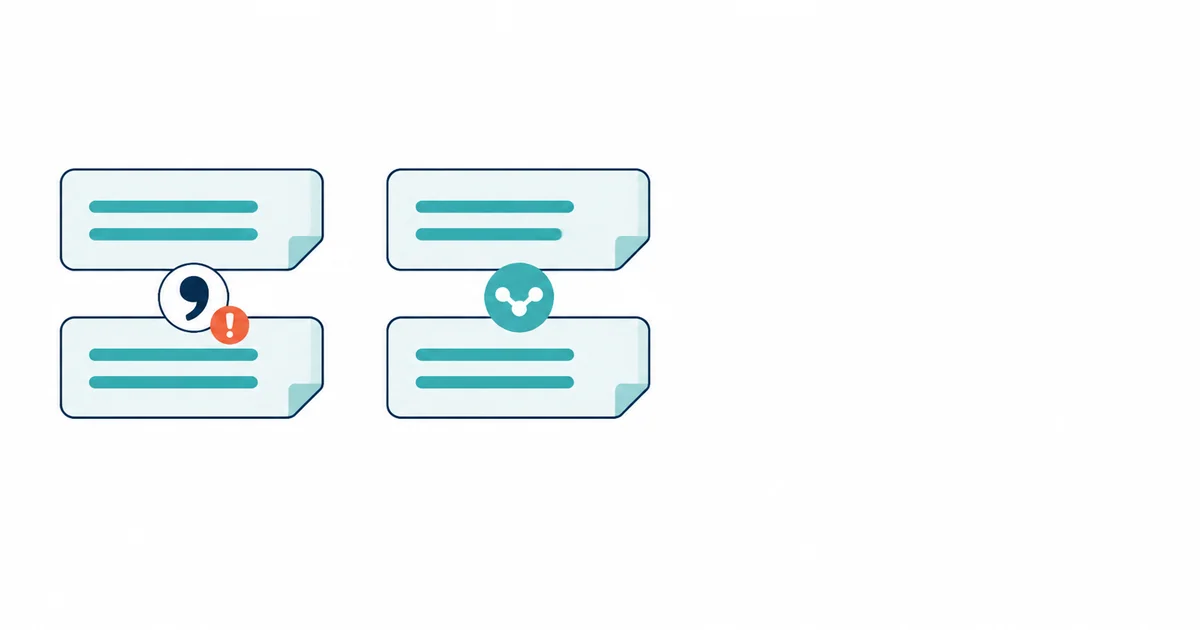
Although, despite, and however all signal contrast, and OET candidates use all three constantly — patient histories are full of symptoms that don’t match expectations, treatments that didn’t work as planned, and instructions the patient didn’t follow. The problem isn’t knowing when contrast is needed. It’s that these three words follow three different grammar rules, and swapping the structure that goes with one word onto another produces a sentence that reads as confidently wrong rather than simply informal.
In short
Although, despite, and however all express contrast in OET writing, but each requires different grammar. Although is a subordinating conjunction and joins two full clauses: “Although she was in pain, she completed the discharge form.” Despite is a preposition and takes only a noun phrase or a gerund, never a clause with a conjugated verb: “Despite the pain, she completed the form” or “Despite being in pain, she completed the form” — never “despite she was in pain.” However is a conjunctive adverb, not a conjunction, so it cannot join two clauses with a comma alone; it needs a full stop or semicolon before it and a comma after: “She was in pain. However, she completed the form.” The most frequent OET errors are forcing a full clause after despite and comma-splicing however between two sentences. Both sit under the Language criterion, which marks grammatical range and control. Source: oet.com.
Watch the full breakdown: Grammar Quick Fix #2 works through although, despite, and however using real OET case-note sentences.
Why do although, despite, and however get mixed up so often?
All three words translate, roughly, to a single contrast word in many other languages — a candidate whose first language marks contrast with one flexible term will reasonably expect English to work the same way. It doesn’t. English splits the concept across three grammatical categories, each with its own rule for what can follow it: although is a conjunction that needs a clause on both sides, despite is a preposition that needs a noun or gerund, and however is an adverb that needs its own sentence boundary. Case notes make this worse because they’re already fragments — “c/o chest pain, ECG normal” — and a candidate expanding that fragment into prose has to supply the connecting grammar from scratch, under time pressure, while thinking about the content rather than the structure.
The result is a small set of errors that repeat across almost every OET script: despite followed by a full clause, however comma-spliced between two sentences, and occasionally although used where despite’s compact noun-phrase form would actually read better. None of these are vocabulary mistakes — the candidate has chosen exactly the right word for the meaning. The grammar attached to that word is what breaks.
Although: a conjunction that needs two clauses
Although joins two complete clauses, each with its own subject and verb, into a single sentence. Because it’s a subordinating conjunction, it can sit at the start of the sentence or in the middle, and the comma rule simply follows the word order.
- Although at the start: Although she reported ongoing dizziness, her blood pressure had stabilised by discharge. (comma after the first clause)
- Although in the middle: Her blood pressure had stabilised by discharge, although she reported ongoing dizziness. (comma before although, no comma after)
Both versions are correct and mean the same thing — the choice is about emphasis, not grammar. Leading with the although-clause foregrounds the contrasting fact, which is often the right call in a referral letter when that fact is the reason the reader needs to act.
The error to watch for is dropping a subject or verb from either clause and trying to attach a bare noun phrase to although instead, which is despite’s job, not although’s:
- Not correct: Although the pain, she continued working.
- Correct: Although she was in pain, she continued working.
- Also correct (using despite instead): Despite the pain, she continued working.
Despite: a preposition that never takes a full clause
Despite is where most of the errors in this group concentrate, because candidates instinctively treat it like although and try to follow it with a subject-plus-verb clause. Despite is grammatically a preposition, and prepositions in English take noun phrases — never a clause with its own conjugated verb.
Despite accepts exactly two structures:
A noun phrase:
- Not correct: Despite she experienced severe nausea, she tolerated the oral medication.
- Correct: Despite the severe nausea, she tolerated the oral medication.
A gerund (-ing) phrase:
- Not correct: Despite he was advised against it, the patient discharged himself.
- Correct: Despite being advised against it, the patient discharged himself.
If your sentence has a subject and a conjugated verb after despite, you have two options: convert that clause into a noun or gerund phrase, or replace despite with although and keep the clause as it is. Both fixes are equally correct; which one you choose depends on which reads more naturally for that particular sentence.
| Draft sentence | Problem | Corrected |
|---|---|---|
| Despite she had a fever, she was discharged home. | Full clause after a preposition | Despite having a fever, she was discharged home. |
| Despite of the swelling, she continued to bear weight. | ”Despite of” is not a phrase in English | Despite the swelling, she continued to bear weight. |
| Despite his allergy, was prescribed the medication. | Missing subject after despite’s clause | Despite his allergy, he was prescribed the medication. |
The second row is worth flagging on its own: “despite of” is never correct English, regardless of what follows it. Despite attaches directly to its noun or gerund with no preposition in between. If a candidate wants “of” specifically, the correct phrase is “in spite of,” which follows the exact same rule as despite — noun or gerund only, never a full clause.
However: an adverb, not a conjunction
However is where the comma splice happens. Candidates use however correctly in terms of meaning almost every time, but the punctuation around it is wrong more often than not, because however doesn’t behave like “but” even though it means something close to it. “But” is a coordinating conjunction and can join two clauses with a comma. However is a conjunctive adverb — grammatically, it modifies the sentence that follows it, and it cannot glue two clauses together on its own.
- Not correct: She was afebrile on review, however, she remained tachycardic.
- Correct (full stop): She was afebrile on review. However, she remained tachycardic.
- Also correct (semicolon): She was afebrile on review; however, she remained tachycardic.
The comma-only version above is a comma splice — two independent clauses joined with nothing stronger than a comma — and it’s flagged under Language regardless of which linking word sits in the middle. The fix is always the same: put a full stop or a semicolon before however, and keep the comma after it.
However can also sit inside a clause rather than at its start, which some candidates don’t realise is available and which can improve sentence variety across a letter:
- She remained tachycardic, however, and required further monitoring.
- She remained tachycardic; further monitoring was required, however.
Both of these still need the semicolon (or a preceding full stop) to separate the two independent clauses — moving however’s position inside the sentence doesn’t change the punctuation rule, it only changes where the pause falls.
A side-by-side comparison
| Word | Part of speech | What follows it | Example |
|---|---|---|---|
| Although | Subordinating conjunction | A full clause (subject + verb) | Although she was anxious, she consented to the procedure. |
| Despite | Preposition | A noun phrase or gerund | Despite her anxiety, she consented to the procedure. |
| However | Conjunctive adverb | Its own sentence, after a full stop or semicolon | She was anxious. However, she consented to the procedure. |
Reading this table left to right on a difficult sentence is often faster than trying to remember the rule from scratch: identify what you actually have after the contrast word — a clause, a noun, or a fresh sentence — and pick the word whose column matches it, rather than picking the word first and forcing the grammar to fit.
A quick self-check before you submit
Find every although, despite, and however in your draft. For each although, confirm there’s a full clause with its own subject and verb on both sides of it. For each despite, confirm nothing after it has a conjugated verb — if it does, either convert that clause to a gerund phrase or switch the word to although. For each however, confirm there’s a full stop or semicolon immediately before it, not just a comma, and a comma immediately after it.
This check pairs well with a broader look at how ideas link across a letter — our connectors and cohesion in OET writing guide covers linking words beyond contrast specifically, and the 8 grammar errors that cost Language marks places contrast-clause errors alongside the other patterns examiners flag most consistently. The Language criterion breakdown explains how grammatical range and accuracy are weighted at each band, which is exactly where a despite-plus-clause error or an however comma splice does its damage. If you want a fast first check on a specific letter, our free OET Grammar Checker will flag obvious comma splices, though it won’t catch every case where despite needs converting to a gerund phrase.
Why this is worth fixing as a habit
Contrast comes up in nearly every OET letter task, because clinical narratives are full of results that didn’t match expectations, treatments that partly worked, and patients who didn’t follow advice. A candidate who hasn’t fixed the although/despite/however distinction will make the same error four or five times across one script — not because the meaning is unclear each time, but because the underlying rule was never separated out from the other two words it gets grouped with mentally. Examiners read for exactly this kind of repeated pattern, and a script with several despite-plus-clause errors or however comma splices reads as a genuine control gap under Language, even when every individual sentence communicates its intended meaning clearly. Our OET writing correction service checks structural patterns like this across a full letter alongside the other five criteria, so a repeated slip like despite followed by a full clause gets caught and corrected before it costs you a band.
Frequently asked questions
Common questions on this topic — full answers below.
What's the difference between although, despite, and however in OET writing?
Why is 'despite she was in pain' wrong?
Can I write 'despite of' in an OET letter?
Why does however need a semicolon or full stop before it?
Does it matter where I put although in the sentence?
OET Writing Correction
Get expert OET letter feedback from Dr Mariam's team
Submit your practice letters and receive a detailed annotated PDF — assessed against all 6 OET writing criteria.
11,000+ letters corrected since 2014 · 4.9★ from 1,900+ reviews